Technical Briefing: Rocker Switch Wiring Logic & Parasitic Drain Management
- June 26, 2026
- 143
- DAIER Technical Team
In the engineering of professional 12V electrical systems, the “Always-On” LED symptom is more than a visual annoyance; it is a critical design flaw that contributes to Parasitic Drain. For OEMs and professional fleet builders, managing the state of charge (SoC) is paramount to system reliability. This briefing analyzes the internal architecture of 5-pin rocker switches, calculates the commercial impact of unintended current draw, and outlines standardized wiring protocols for ignition-switched and dimmer-synchronized integration.
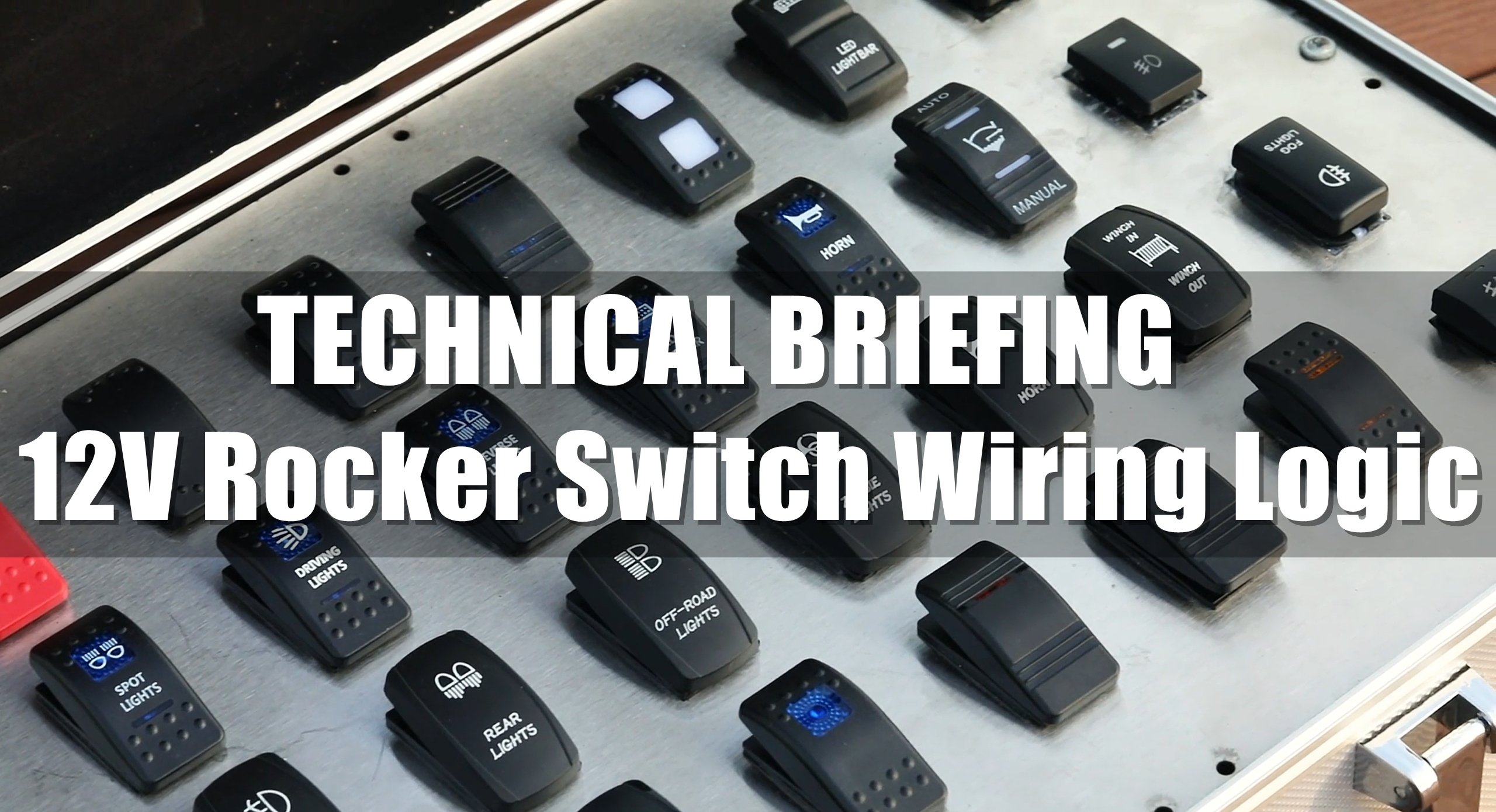
1. Strategic Overview: The Impact of Parasitic Load on Fleet Reliability
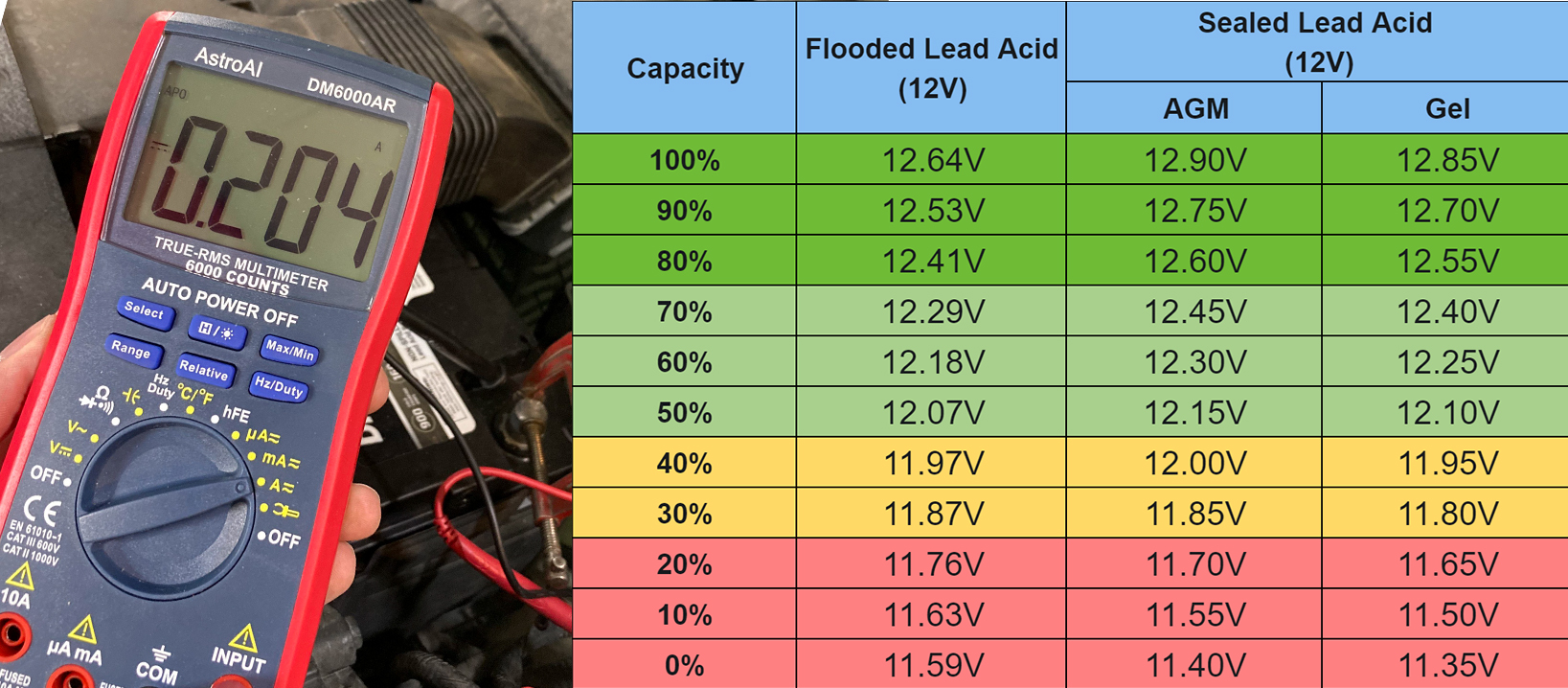
In high-duty cycles, such as commercial marine vessels or emergency response vehicles, every milliamp (mA) must be accounted for. A rocker switch that remains illuminated 24/7 is a signal of a “Constant-Live” circuit logic. While a single LED might only draw 20mA to 30mA, the cumulative effect in a standard 10-switch dashboard creates a persistent 200mA to 300mA load.
The Math of Failure:
- Single Vehicle: A 300mA drain consumes 7.2 Amp-hours (Ah) every 24 hours. Over a 72-hour weekend, this removes over 21Ah from the battery bank.
- Fleet Impact: In cold-start conditions, this depletion significantly increases the probability of low-voltage cranking failure, leading to expensive field service calls and accelerated battery sulfation.
Engineering a “Zero-Key-Off-Draw” system is the professional standard for reducing warranty claims and ensuring that the end-user’s vehicle or vessel is mission-ready at all times.
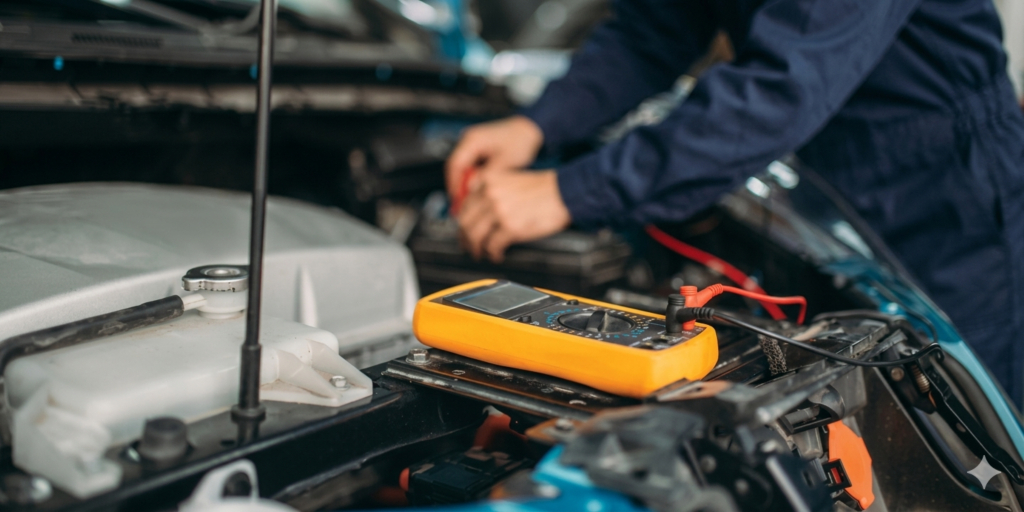
2. Internal Architecture: The Dual-Circuit Logic of the 5-Pin Switch
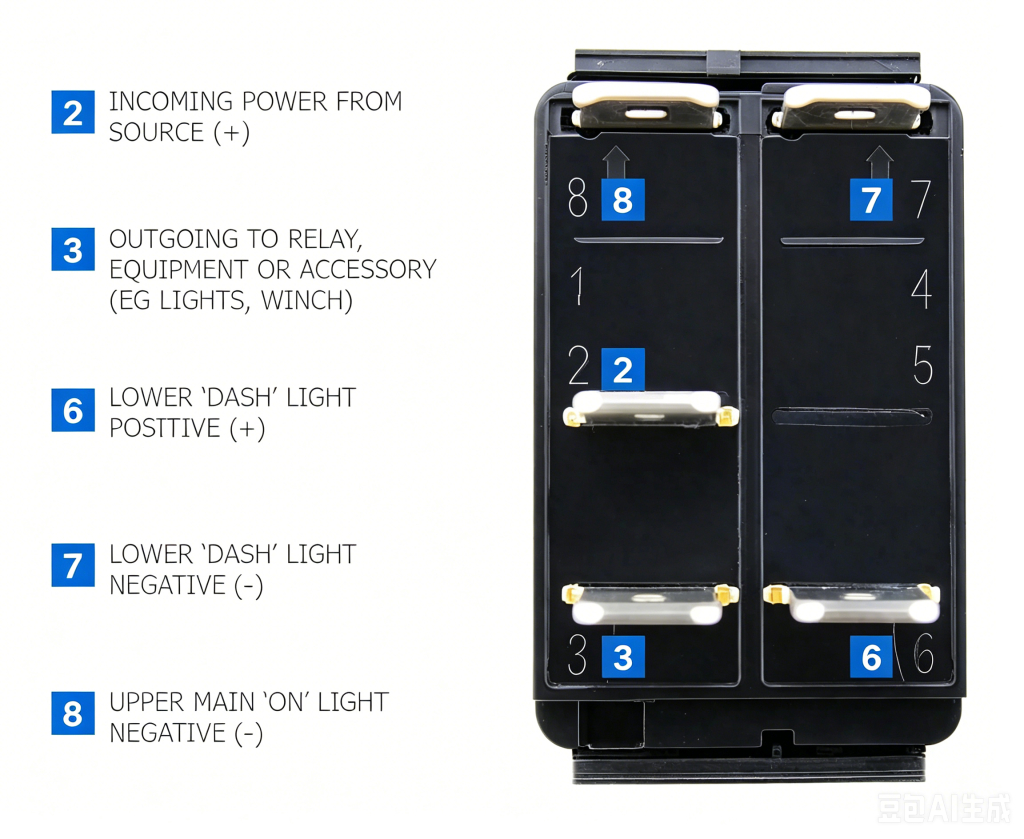
To implement professional-grade integration, engineers must distinguish between the Load Path and the Illumination Path. A 5-pin switch (such as the Daier Pro-Series) features an independent lighting circuit within the same mechanical housing.
Pinout Specification (Standardized Configuration):
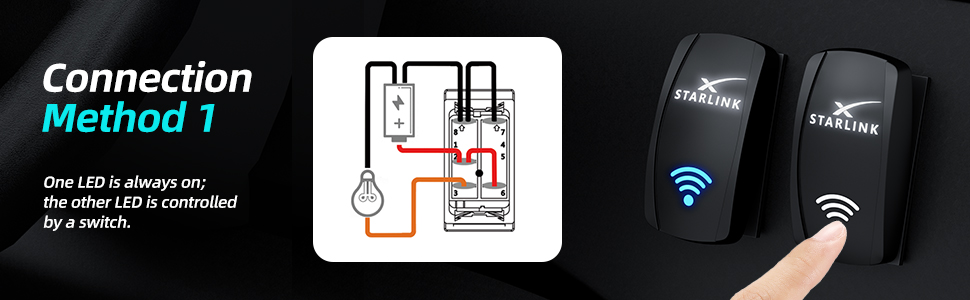
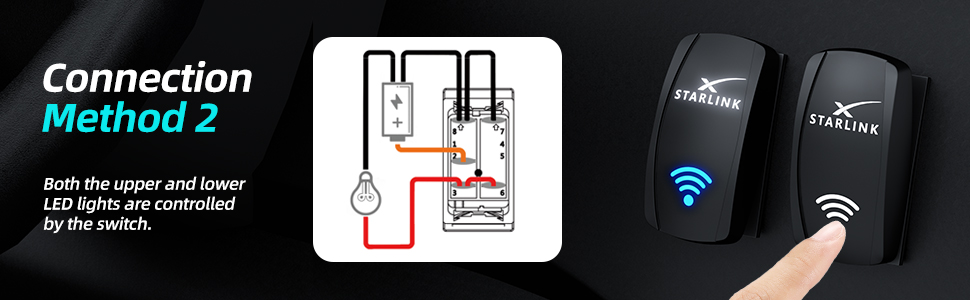
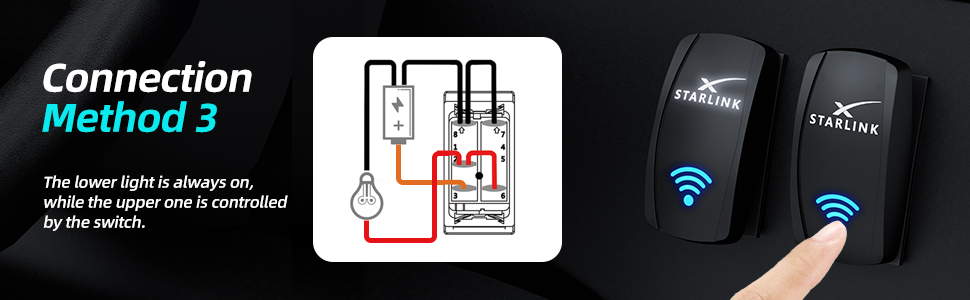
- Pin 8 & 7 (System Ground): These are the negative terminals for the dual internal LEDs. In marine environments, these should be terminated to a common ground bus bar to prevent galvanic corrosion.
- Pin 2 (Main Input/Line): The primary 12V supply intended to be switched to the load.
- Pin 3 (Output/Load): Becomes energized only when the actuator is moved to the “ON” position.
- Pin 6 (Independent LED Positive): Controls the lower icon (usually the functional symbol). This is the primary point of failure for unintended illumination.
If Pin 6 is bridged (jumped) to Pin 2, the LED will be constantly energized by the battery source. In a professional build, this bridge is replaced by an independent trigger wire.
3. Professional Integration Protocols: Three Industry Standards
To eliminate parasitic drain while maintaining user ergonomics, professional builders employ one of the following three protocols:
Protocol A: ACC/Ignition Switched (The Fleet Standard)
In commercial applications, Pin 6 is connected to a circuit that is energized only when the ignition is in the “ACC” or “ON” state.
- Implementation: Utilize an [Add-a-Circuit Fuse Tap] or a dedicated relay output from the vehicle’s power distribution center.
- Benefit: Zero battery drain when the vehicle is secured. The switch backlights serve as an “Active System” indicator for the operator.
Protocol B: Dimmer/OEM Synchronization (The Luxury/OE Standard)
For high-end marine and automotive interiors, the switch symbols should match the factory dashboard behavior.
- Implementation: Tap Pin 6 into the factory illumination circuit (often PWM-controlled).
- Benefit: The switch icons only glow when the headlights are activated, and their brightness can be adjusted via the vehicle’s master dimmer, providing a cohesive user experience.
Protocol C: Load-Dependent Logic (The Emergency/Marine Standard)
In some scenarios, you only want the LED to glow when the device is actually working.
- Implementation: Bridge Pin 6 to the Output terminal (Pin 3).
- Benefit: The backlight is strictly a “Status Light.” If the pump or light bar is OFF, the switch is dark. This is ideal for external-mounted switches where light pollution must be minimized.
4. Advanced Diagnostics: Eliminating “Ghost Glow” and Back-Feeding
Professional electricians occasionally encounter a “Ghost Glow”—where the LED glows dimly even when the switch is off. This indicates a high-resistance ground or inductive leakage.
1. Impedance Mismatch: If Pin 7/8 are tied to a ground shared by high-inductance loads (like motors), a small amount of current can “back-feed” through the LED’s ground path.
- Solution: Use a dedicated Ground Bus Bar and ensure all connections are torqued to spec to minimize resistance.
2. Inductive Spikes: In complex looms, running signal wires parallel to high-amp cables can induce a tiny voltage (EMF) into the illumination circuit.
- Solution: Route signal wires at a 90-degree angle to power cables or utilize shielded wire for sensitive control panels.
5. Material Engineering and Long-Term Reliability
At Daier, we understand that a switch is a critical failure point. In professional environments, mechanical wear and thermal expansion in the dashboard can lead to circuit failure.
- Terminal Integrity: We recommend the use of [Heat-Shrink Female Spade Terminals]. Standard nylon-insulated crimps are prone to vibration loosening and moisture ingress, leading to oxidation.
- Contact Material: Our Pro-Series switches utilize silver-plated copper contacts to ensure low contact resistance and high thermal stability during continuous high-load operations.
- IP Ratings: For marine or open-cab applications, an IP65 or IP67 rating is essential. This prevents internal moisture from bridging the pins and causing the very “Always On” issues discussed in this briefing.
Conclusion: Standardizing for Success
An “Always-On” LED is not a minor detail; it is an indicator of sub-standard electrical integration. By implementing standardized wiring protocols that synchronize illumination with the vehicle’s ignition or lighting system, professional builders can eliminate parasitic drain, improve the end-user experience, and significantly reduce long-term maintenance costs.
Reliability is not an accident; it is the result of precision component selection and disciplined engineering logic.
Partner with Daier for Technical Excellence:
Daier provides the robust components and technical support required to scale your production and maintain your brand’s reputation for reliability. For high-volume procurement, custom laser-etched iconography, or specific engineering data sheets, contact our technical sales team today.
